

 Tiếng Việt
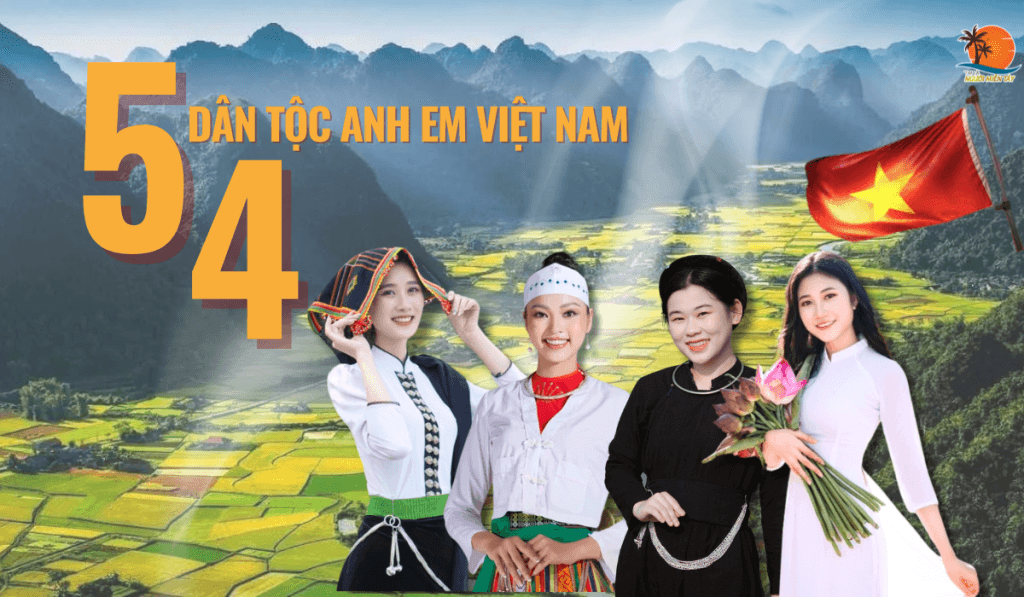
Introduction to the 54 Ethnic Groups – Vietnam, a beautiful S-shaped country, is renowned not only for its majestic natural landscapes and ancient historical relics but also as a homeland for 54 fraternal ethnic groups. Each ethnic group possesses a unique cultural identity, creating a rich, diverse, and distinctive multicultural tapestry.
>>> Buffalo Racing Festival of Bay Nui – An Giang | I am a person from the Mekong Delta.
Danh mục bài viết
Introduction to the 54 Ethnic Groups

1. The Kinh (Viet) Ethnic Group:
- Population: Constitutes the majority of Vietnam’s ethnic communities.
- Culture: Characterized by wet rice civilization, ancestor worship, and traditional festivals such as Tet Nguyen Dan (Lunar New Year) and the Hung Kings’ Temple Festival.
- Arts: Includes Ca Tru (ceremonial singing), Cheo (popular opera), Tuong (classical opera), and water puppetry.
2. The Ethnic Minority Groups:
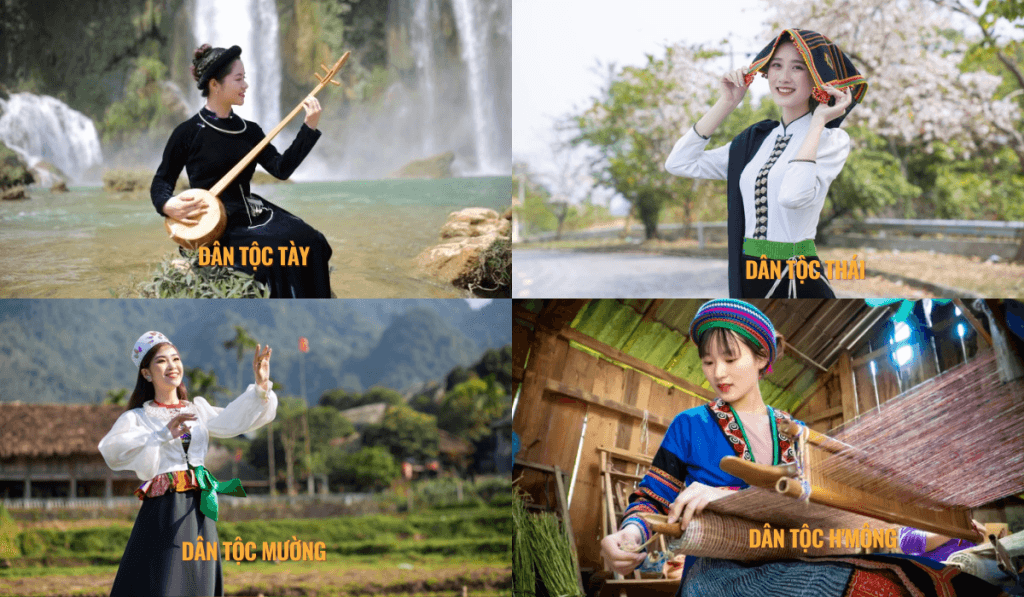
- Tay Ethnic Group:
- Mainly reside in the northern mountainous regions.
- Famous for Then singing, Luon singing, and the Long Tong festivals.
- Thai Ethnic Group:
- Also inhabit the northwestern region.
- Distinctive culture with stilt houses, Xoe dance, and Ban flower festivals.
- Muong Ethnic Group:
- Primarily live in Hoa Binh and neighboring provinces.
- Known for their gong music, Vi singing, and Muong epics (Mo Muong).
- H’Mong Ethnic Group:
- Reside in the high mountainous areas of the North.
- Unique culture with colorful costumes, love markets, and the Khen (panpipe-like instrument).
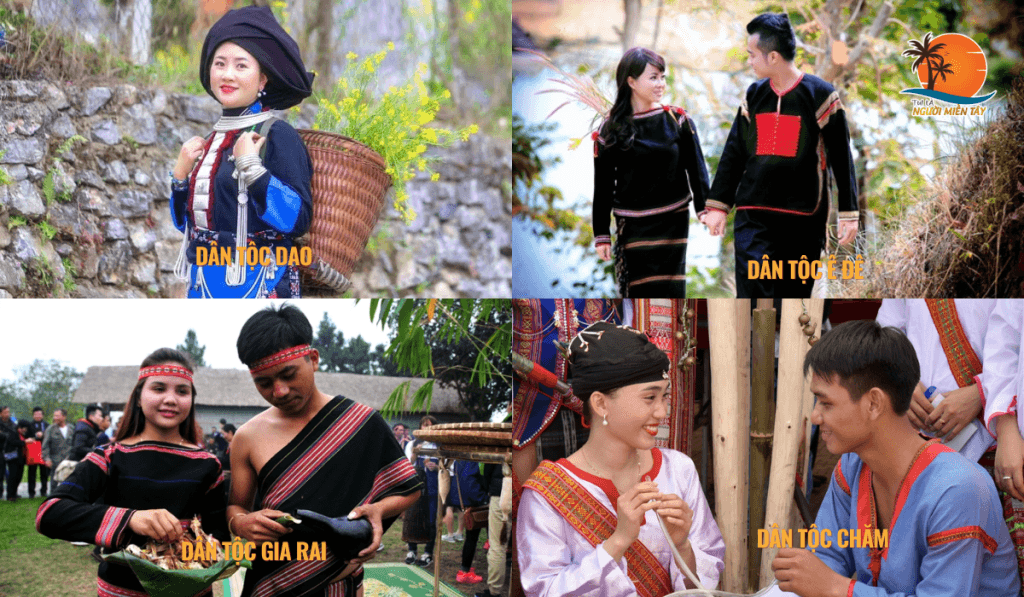
- Dao Ethnic Group:
- Widely distributed across the northern mountainous provinces.
- Famous for the Cap Sac (maturity ritual) and intricately embroidered costumes.
- E De Ethnic Group:
- Mainly live in the Central Highlands.
- Distinctive culture with longhouses, gong music, and the Dam San epic.
- Gia Rai Ethnic Group:
- Also reside in the Central Highlands.
- Known for their tomb houses, tomb statues, and gong music.
- Cham Ethnic Group:
- Inhabit the central coastal provinces.
- Culture influenced by Hinduism and Islam, with Cham towers and the Kate festival.
- Khmer Ethnic Group:
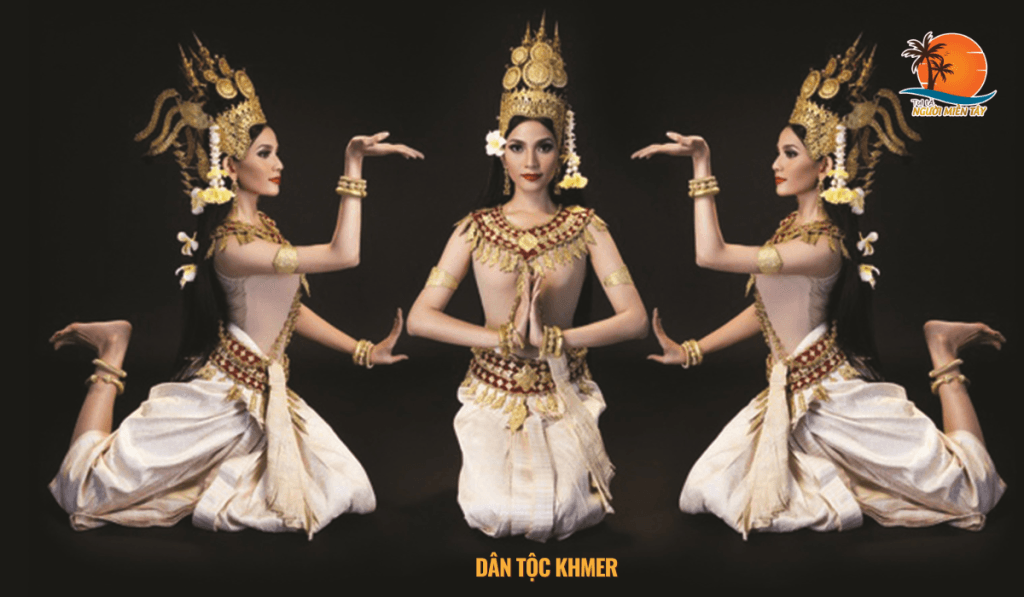
- Mainly live in the Mekong Delta.
- Distinctive culture with pagodas, stupas, and the Chol Chnam Thmay festival (Khmer New Year).
Introduction to the 54 Ethnic Groups – Tay-Thai Language Group
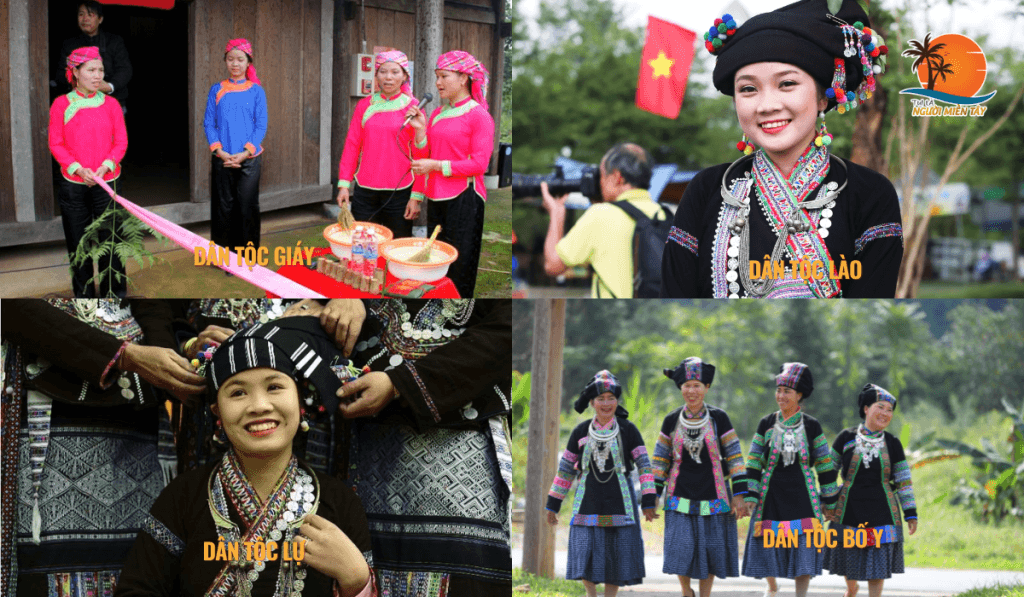
- Giay Ethnic Group:
- Mainly reside in Lao Cai, Ha Giang, and Lai Chau.
- Famous for the Gau Tao and Roong Pooc festivals, and colorful attire.
- Lao Ethnic Group:
- Primarily inhabit Lai Chau, Dien Bien, and Son La.
- Distinctive culture with Lam Vong dances and the Bunpimay festival (Lao New Year).
- Lu Ethnic Group:
- Mainly live in Lai Chau.
- Known for traditional crafts such as weaving and basketry.
- Bo Y Ethnic Group:
- Primarily reside in Lao Cai and Ha Giang.
- Distinctive culture with village and forest worshiping ceremonies.
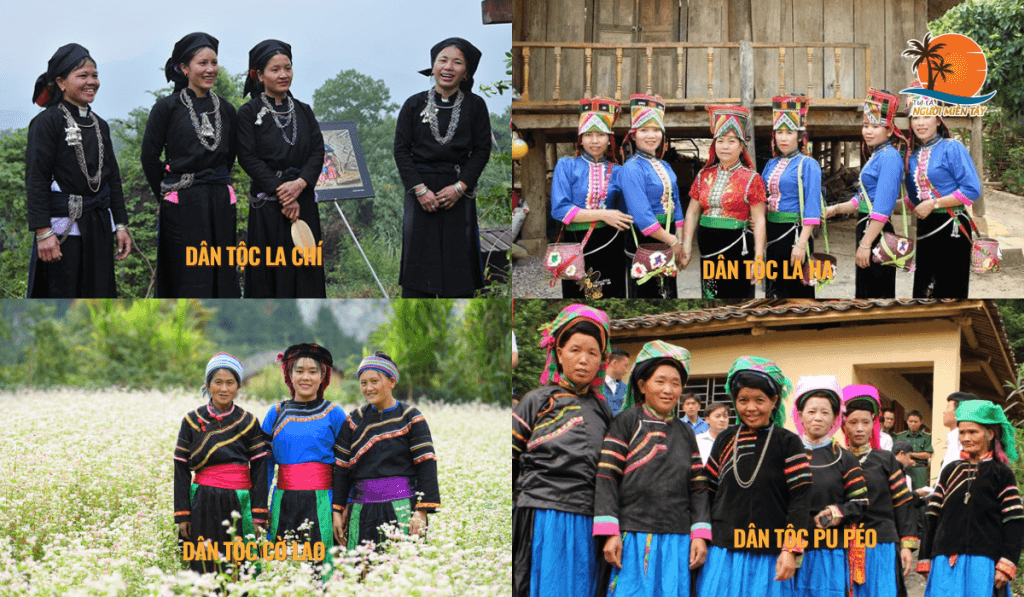
- La Chi Ethnic Group:
- Mainly live in Ha Giang.
- Famous for their bell dances and forest spirit worshiping ceremonies.
- La Ha Ethnic Group:
- Primarily inhabit Son La.
- Distinctive culture with new rice offering ceremonies and Sap dances (bamboo pole dances).
- Co Lao Ethnic Group:
- Mainly live in Ha Giang.
- Known for traditional crafts such as basketry and weaving.
- Pu Peo Ethnic Group:
- Primarily reside in Ha Giang.
- Distinctive culture with ancestor worshiping ceremonies.
Introduction to the 54 Ethnic Groups – Mon-Khmer Language Group
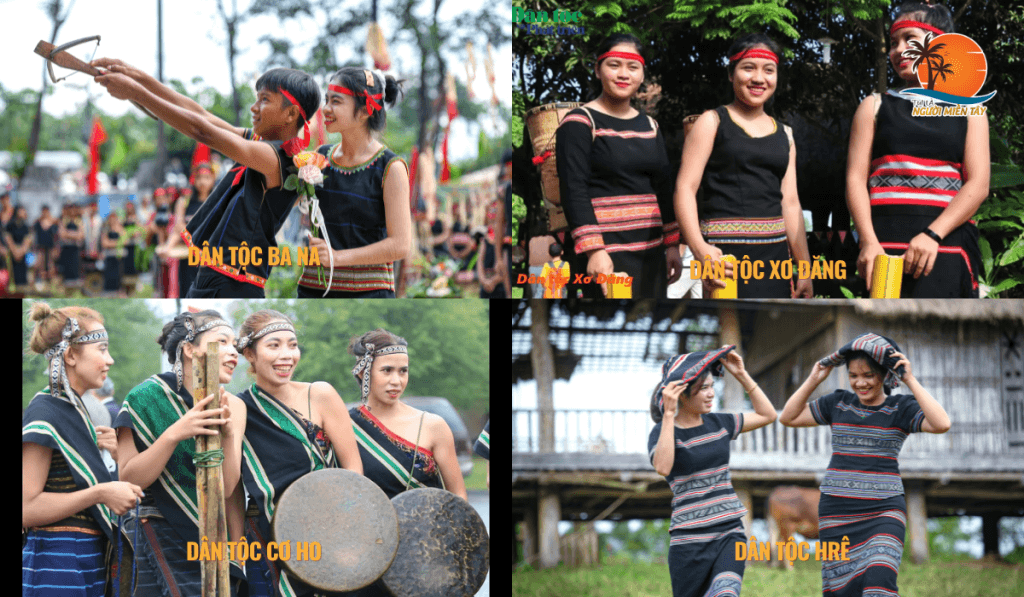
- Ba Na Ethnic Group:
- Mainly live in Gia Lai, Kon Tum, and Binh Dinh.
- Famous for their Rong houses (communal houses), gong music, and buffalo stabbing festivals.
- Xe Dang Ethnic Group:
- Primarily reside in Kon Tum, Quang Nam, and Quang Ngai.
- Distinctive culture with tomb houses, tomb statues, and gong music.
- Co Ho Ethnic Group:
- Mainly live in Lam Dong and Binh Thuan.
- Known for instruments like the K’long put (bamboo xylophone), gongs, and festivals like the buffalo sacrifice ceremony (bo ma).
- Hre Ethnic Group:
- Primarily inhabit Quang Ngai and Binh Dinh.
- Distinctive culture with instruments like the Ta Lia (bamboo flute) and buffalo stabbing festivals.

- M’Nong Ethnic Group:
- Mainly live in Dak Nong, Dak Lak, Binh Phuoc, and Lam Dong.
- Famous for festivals like the water source worshiping ceremony and new rice ceremony, and instruments like gongs.
- Xtieng Ethnic Group:
- Primarily reside in Binh Phuoc.
- Distinctive culture with the custom of teeth filing and earlobe stretching, and festivals like the buffalo stabbing ceremony.
- Gie Trieng Ethnic Group:
- Mainly live in Kon Tum and Quang Nam.
- Known for instruments like gongs and festivals like the new rice eating ceremony.
- Cho Ro Ethnic Group:
- Primarily inhabit Lam Dong, Dak Nong, and Dong Nai.
- Distinctive culture with instruments like gongs and festivals like the new rice celebration.
- Co Ethnic Group:
- Mainly live in Quang Ngai and Quang Nam.
- Famous for traditional brocade weaving and festivals like the buffalo eating ceremony.
- Cho Ro Ethnic Group:
- Primarily reside in Dong Nai, Ba Ria – Vung Tau, and Binh Thuan.
- Distinctive culture with festivals like the rice spirit worshiping ceremony and the tomb abandonment ceremony (bo ma).
- Ro Mam Ethnic Group:
- Mainly live in Kon Tum.
- Known for traditional crafts such as basketry.
- Brau Ethnic Group:
- Primarily inhabit Kon Tum.
- Distinctive culture with the custom of living in long stilt houses and festivals like the water trough worshiping ceremony.
- Bru – Van Kieu Ethnic Group:
- Mainly live in Quang Tri, Quang Binh, and Dak Lak.
- Famous for Xoang dances and village worshiping ceremonies.
- Co Tu Ethnic Group:
- Primarily reside in Quang Nam and Thua Thien – Hue.
- Distinctive culture with the Guol house (men’s communal house), buffalo stabbing festivals, and Zeng weaving.
- Ta Oi Ethnic Group:
- Mainly live in Thua Thien – Hue and Quang Tri.
- Known for traditional crafts such as weaving and basketry.
- Kho Mu Ethnic Group:
- Primarily inhabit Nghe An, Dien Bien, Son La, Lai Chau, and Yen Bai.
- Distinctive culture with village worshiping ceremonies and Sap dances (bamboo pole dances).
- Xinh Mun Ethnic Group:
- Mainly live in Son La and Dien Bien.
- Known for traditional crafts such as basketry and weaving.
- O Du Ethnic Group:
- Primarily reside in Nghe An.
- Distinctive culture with village worshiping ceremonies and Sap dances (bamboo pole dances).
- Khang Ethnic Group:
- Mainly live in Son La and Dien Bien.
- Known for traditional crafts such as basketry and weaving.
- Mang Ethnic Group:
- Primarily inhabit Lai Chau.
- Distinctive culture with village worshiping ceremonies and Sap dances (bamboo pole dances).
Austronesian Language Group
- Chu Ru Ethnic Group:
- Mainly live in Lam Dong.
- Famous for festivals like the tomb abandonment ceremony (bo ma) and the new rice celebration.
- Ra Glai Ethnic Group:
- Primarily reside in Ninh Thuan, Khanh Hoa, and Binh Thuan.
- Distinctive culture with festivals like the tomb abandonment ceremony (bo ma) and the new rice celebration, and the Ma La musical instrument.
Sino-Tibetan Language Group
- Hoa (Chinese) Ethnic Group:
- Mainly live in major cities across the country.
- Famous for festivals like the Lantern Festival (Tet Nguyen Tieu) and the Dragon Boat Festival (Tet Doan Ngo), and arts such as lion dances and dragon dances.
- San Diu Ethnic Group:
- Primarily inhabit Thai Nguyen, Vinh Phuc, Bac Giang, and Quang Ninh.
- Distinctive culture with festivals like the harvest prayer ceremony and ancestor worshiping ceremonies.
- Ngai Ethnic Group:
- Mainly live in Thai Nguyen and Binh Thuan.
- Known for traditional crafts such as pottery and weaving.
- Ha Nhi Ethnic Group:
- Primarily reside in Lai Chau, Lao Cai, and Dien Bien.
- Distinctive culture with festivals like village and forest worshiping ceremonies.
- Phu La Ethnic Group:
- Mainly live in Lao Cai and Yen Bai.
- Known for traditional crafts such as basketry and weaving.
- La Hu Ethnic Group:
- Primarily inhabit Lai Chau.
- Nền văn hóa đặc sắc với các lễ hội như lễ cúng làng, lễ cúng rừng.
- Dân tộc Lô Lô:
- Mainly live in Cao Bang and Ha Giang.
Introduction to the 54 Ethnic Groups – Diverse Cultural Identity
- The Vietnamese government consistently pays attention to and implements numerous policies aimed at preserving and promoting the traditional cultural values of its ethnic groups.
- Cultural activities, festivals, and cultural heritage preservation projects are organized regularly.
- Du lịch văn hóa cộng đồng đang được đẩy mạnh, góp phần giới thiệu, quảng bá văn hóa các dân tộc đến du khách quốc tế.
- The cultural diversity of the 54 ethnic groups is an invaluable asset of Vietnam.
- Preserving and promoting these cultural values not only enriches the spiritual life of the Vietnamese people but is also a crucial factor in developing tourism and promoting the country’s image to the world.
“Strange but Familiar”: 7749 Mekong Delta terms that not everyone knows


